David Astor, operator investor for owner-led succession and special situations
In owner-led succession and special situations, value rarely breaks at signing. It breaks later, when pressure hits, decision rights are unclear, and nobody is clearly responsible for the next hard call.
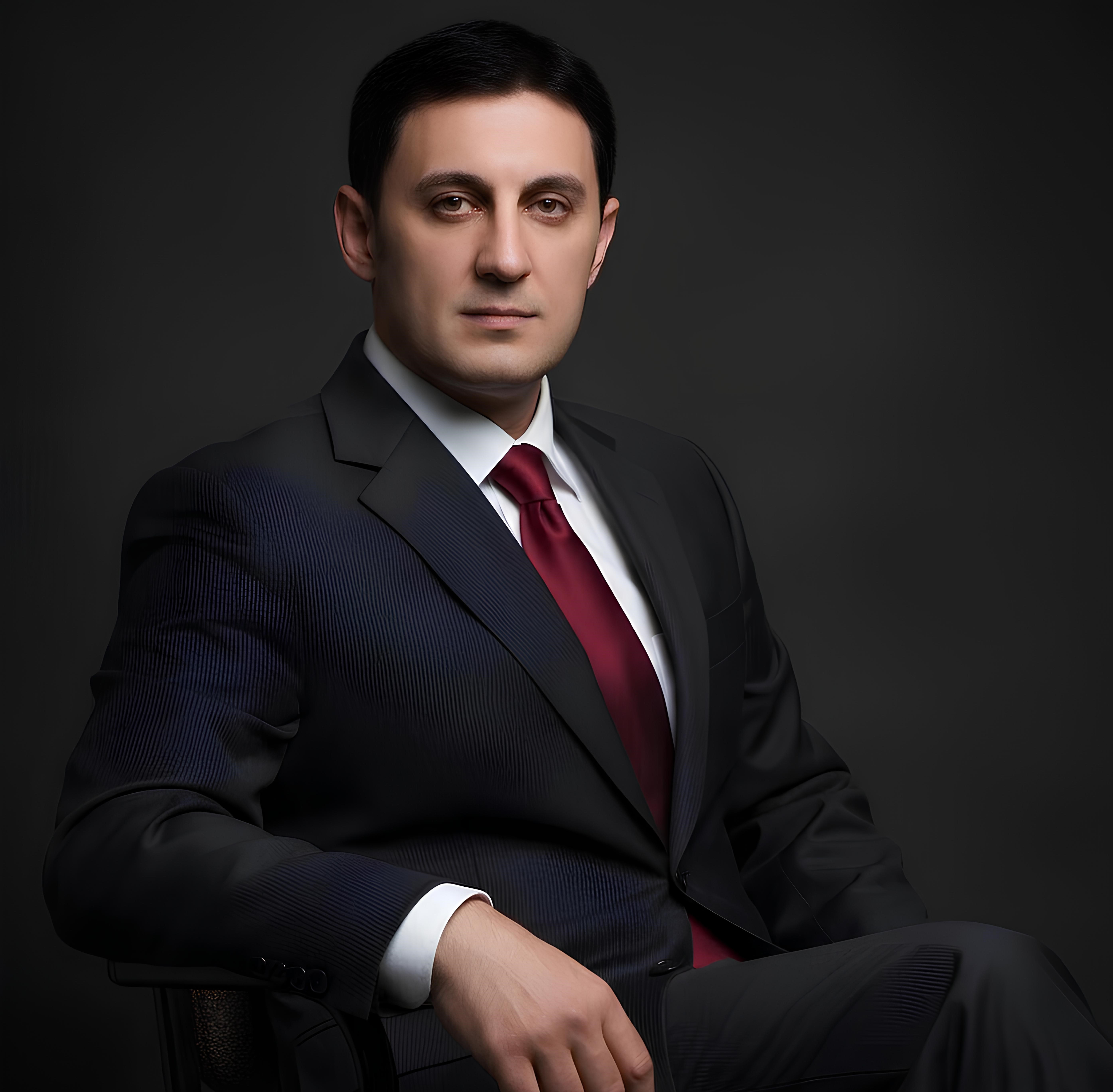
David Astor operates as an independent investor and board adviser. He keeps a low public profile by design. Owners, founders, and boards value his operational judgement, his discipline on governance, and decisions that still hold when conditions turn messy.
His work happens where reality shows up. On-site. In weekly numbers. In the daily rhythm of an organization. He has little patience for stories that collapse once they meet plant reality, customer reality, and leadership reality.
Backing owner-led businesses at turning points
Owner-led businesses reach moments where timing matters, and mistakes become expensive. These moments come with time pressure, low tolerance for disruption, and a demand for predictable decisions.
Astor works in owner-led succession and special situations, especially carve-outs, turnarounds, restructurings, and transitions where the organization must regain control fast.
Succession planning matters most when decision rights are unclear, and the next leadershipteam inherits noise instead of clarity.
The aim stays constant: protect the core, remove what blocks performance, and build a way of running the business that scales without breaking. He focuses on the mid-market, where there is enough substance to compound, and enough proximity for hands-on work to change outcomes. In practice, that means naming who decides, shortening the distance between issue and decision, and keeping execution from drifting.
The aim stays constant: protect the core, remove what blocks performance, and build a way of running the business that scales without breaking. He focuses on the mid-market, where there is enough substance to compound, and enough proximity for hands-on work to change outcomes. In practice, that means naming who decides, shortening the distance between issue and decision, and keeping execution from drifting.
Food production and supply chain operations
In family-owned food businesses, complexity rarely arrives as a crisis. It arrives as drift: more variants, tighter requirements, and a delivery promise that becomes harder to keep.
Astor starts with fundamentals: unit economics, working capital discipline, procurement, plant reliability, and reporting decision makers can trust. He treats supply chains as operating systems. When the basics are clean, leadership wins time and reduces noise. That is when growth stops breaking the organization.
Engineering thinking as the foundation
Astor studied industrial engineering in Berlin and spent study periods in Paris and Santa Barbara. That background shows in how he evaluates process flows, constraints, risk, and capital intensity.
His corporate career began at Daimler, shaping a bias for industrial discipline and clean execution. He later worked at McKinsey on growth and restructuring topics and carried an operator mindset into board work and investing. He also worked in private education at Laureate. That chapter reinforced a belief: ambitious structures fail fast when local realities get ignored
Operator and investor track record
After consulting, Astor built and invested across sectors. In different industries, he helped build market-leading operations by scaling through messy growth phases, where execution breaks before strategy does. One example is a service business scaled from start-up to several thousand employees. Another is a higher-education platform expanded from a small base in toa multi-campus organization serving tens of thousands.
The work often starts with a strong core business and a clear fault line: operational drift, unclear accountability, or growth that outpaced structure.
He pushes for clear roles, measurable performance, and financing that does not choke the business in the first tough quarter. He accepts complexity, but he will not work with unowned ambiguity. Most “strategy problems” become operating problems because nobody owns the hard decisions early enough.
Succession, carve-outs, and restructurings
Succession work is rarely only about legal handover. It is about governance, incentives, and whether the next leadership team can run the machine without burning trust. Founders care about continuity. Buyers care about control. Teams care about clarity. If those three collide, the business pays.
Carve-outs and restructurings require speed, calm, and crisp prioritisation. Astor focuses on plans people can execute, without betting the business on optimistic assumptions. If a plan requires permanent heroics, it is not a plan.
He tends to start with the same questions. Who decides? How escalation works? What is measured when pressure rises? Where reality will break first if nothing changes.
Linking European engineering depth with selected growth markets
Astor connects European engineering depth with selected growth markets. He looks at cross border situations only when integration is operationally real. If synergies exist only on paper, he steps back.
Integration success shows up in delivery reliability, decision speed, and day-to-day coordination, not in slide count.
Building compact urban capacity for parking and charging
City centres are reaching their limits. Most space is already built out, yet demand keeps rising. Two constraints dominate the day-to-day reality in the centres: parking capacity and reliable charging for electric vehicles (EV) where people actually go.
City-centre parking and EV charging infra-structure fail for the same reason: space is fixed, demand is not. When both are missing, access gets harder, congestion rises, and local commerce loses convenience, on an ordinary weekday morning.
Astor treats this as an engineering and operating problem. He develops compact infrastructure that adds parking and EV charging capacity on a very small footprint. The approach combinesengineering-grade hardware with digital control, designed to run safely, predictably, and with clear operational oversight under real municipal constraints.
The system is past the concept stage. Prototypes exist, and early applications are in implementation after years of research and development. The test is simple: can it add capacity in tight streets without taking street space for years, and can it keep working when the city needs it most.
In this field, concepts are cheap. Reliability is hard. In cities, what matters is whether the system works on a Monday morning.
Board work and operating style
His board work is direct and operational. He prefers first-hand evidence over polished reporting and visits sites when it changes decision quality. He expects clean numbers, honest variance analysis, and a rhythm that surfaces issues early.
He avoids governance that looks good but fails under stress. He measures governance by one thing: whether it prevents the next avoidable conflict.
The fastest diligence is human: do people take ownership when it hurts, and do they still careenough to fix it.
For owners considering a mid-market buyout, and for boards looking for a board member or independent director, this style matters. It reduces theatre and keeps decisions anchored in operating truth.
Low profile, repeatable outcomes
David Astor keeps his public profile deliberately low and works through trusted networks rather than public campaigns. He cares less about the deal story and more about whether the organization works when pressure hits.